
Estate Planning 101: What We Learned Presenting to Kelowna Seniors at the Parkinson Senior Activity Center
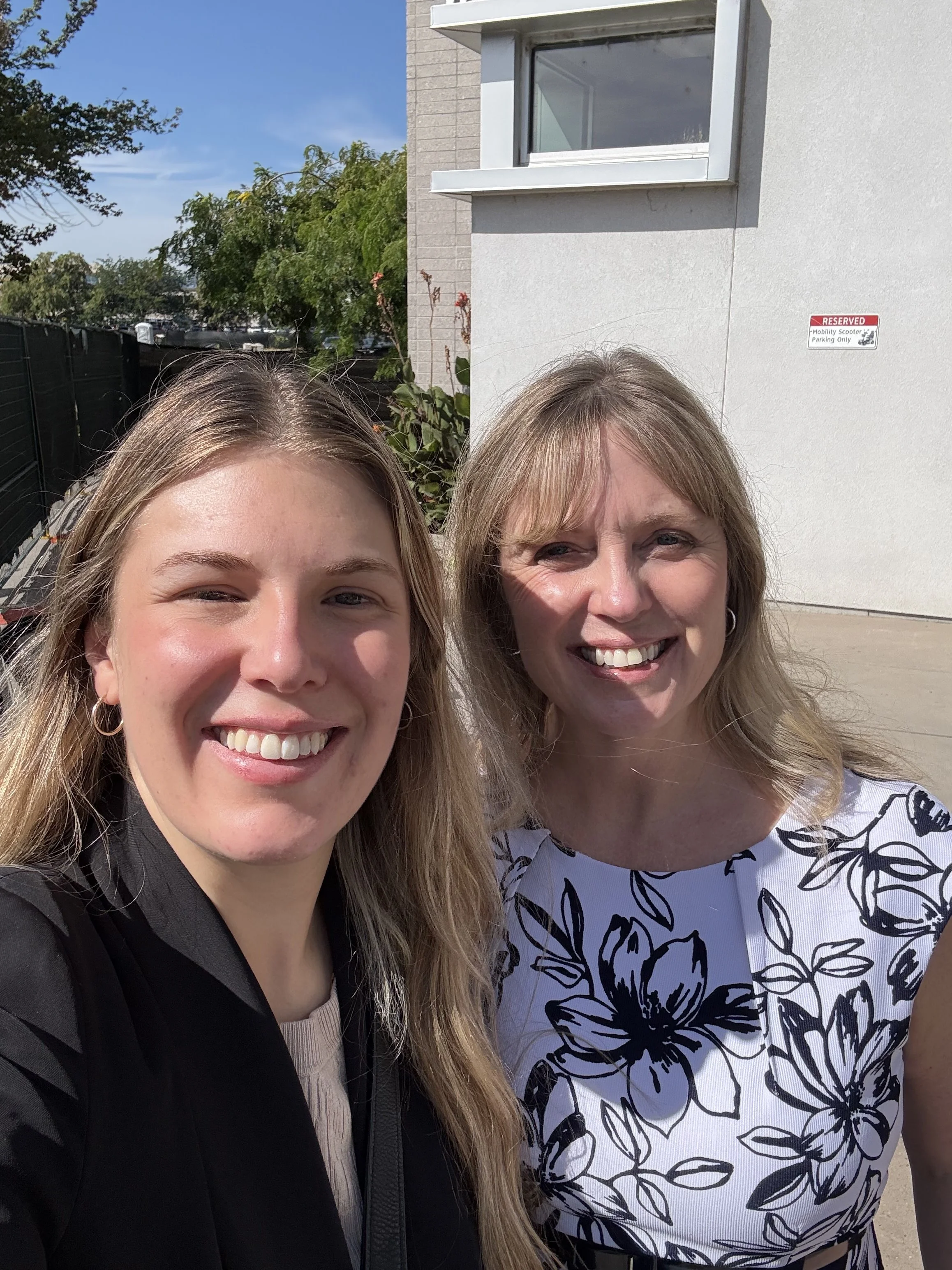
As Kelowna financial planners, Karen Erickson and Kayla Caruana recently had the privilege of presenting an Estate Planning 101 session at the Parkinson Senior Activity Center. The room was full of engaged, curious seniors who came ready with thoughtful questions, and we wanted to share some of the key themes from that discussion here for anyone in the Okanagan who wasn't able to attend.
WHY WOULD A FINANCIAL PLANNER TALK ABOUT ESTATE PLANNING?
One of the very first questions we were asked was a great one: why are CERTIFIED FINANCIAL PLANNER professionals leading a conversation on estate planning, rather than a lawyer or an accountant?
It's a fair question, and the honest answer is that there can be a gap between the professionals involved in estate planning. Generally speaking, lawyers may not provide tax advice, and accountants may not provide legal advice. This can sometimes leave individuals and families unsure of how the pieces fit together, particularly when it comes to making sure decisions are tax efficient both now and down the road and that today's choices support the estate plan as a whole.
This is often where a financial planner can help. As part of a broader team that may include a lawyer and an accountant, a financial planner can help coordinate how these pieces work together with an eye toward tax efficiency and long-term goals. This isn't legal or tax advice; it is about helping connect the dots.
THE THREE BASIC ESTATE PLANNING DOCUMENTS
We walked the group through what are generally considered the three foundational estate planning documents in British Columbia:
The Will, which outlines how you would like your assets distributed.
The Power of Attorney, which may allow someone you choose to make financial and legal decisions on your behalf if you are unable to.
The Representation Agreement, which is specific to British Columbia, may allow someone you choose to make health and personal care decisions on your behalf.
Attendees had great questions about the differences between a representation agreement and a power of attorney, including the roles and responsibilities each may carry. Generally speaking, these documents serve different purposes, and it may be worth discussing with a lawyer which combination makes sense for your specific situation.
COMMON QUESTIONS FROM THE SESSION
A few other questions came up repeatedly, and they may be worth considering for your own situation:
Should you add an adult child to your home title? This is a common question, and the answer may depend heavily on individual circumstances. There can be BIG tax and legal implications either way, and it is generally worth discussing with your advisor, accountant, or lawyer before making a decision.
What are the tax implications of your accounts on your estate? Different account types may be treated differently for tax purposes when they form part of an estate. This is another area where the details matter, and a conversation with your planning team may be helpful.
A HELPFUL TOOL: THE PERSONAL RECORDS ORGANIZER
We also spoke about the value of a Personal Records Organizer, a resource that can help keep your important estate planning documents and information together in one place for your executor. Having this information organized in advance may make things considerably easier for your loved ones down the road.
If you would like a copy of our Personal Records Organizer, please reach out to us at karen.kayla@igpwm.ca, and we would be happy to share one with you.
